Glute Bridge
A foundational hip-extension move that strengthens the glutes and hamstrings while keeping load off the spine — one of the most effective (and beginner-friendly) exercises for easing lower back pain after 40.
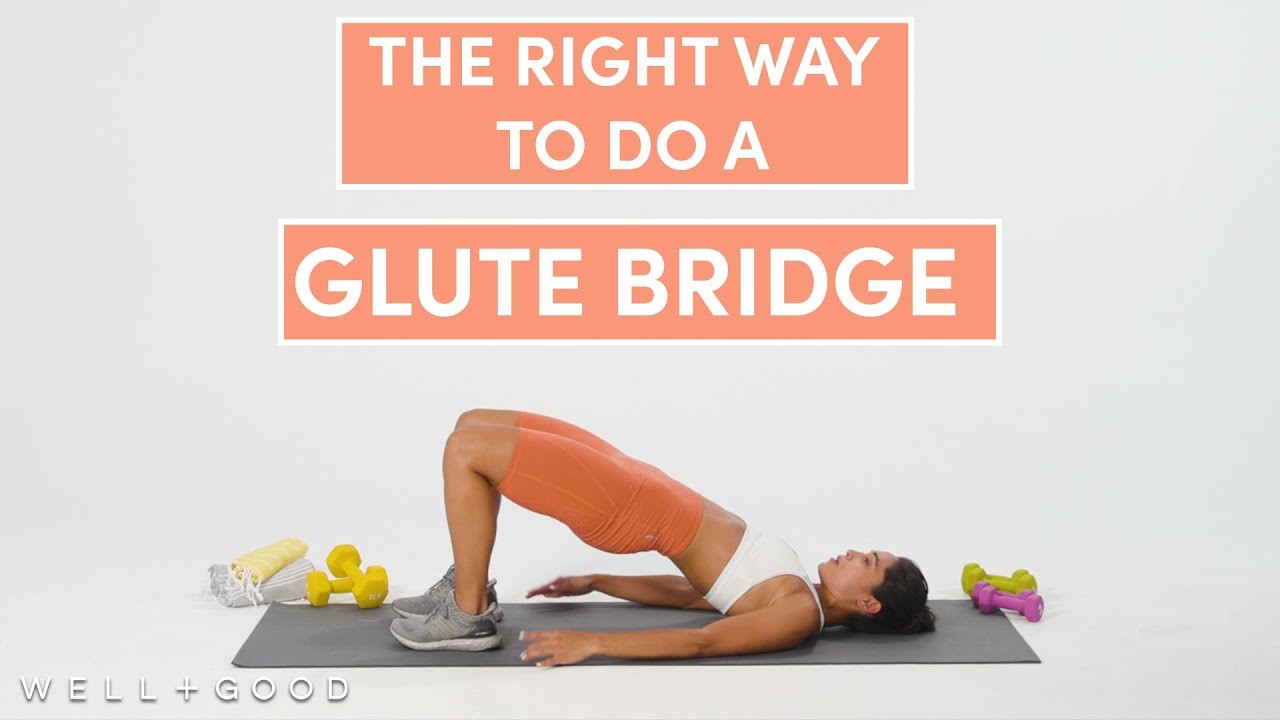
How to Do It
- 1Lie on your back with knees bent, feet flat on the floor
- 2Place feet hip-width apart, about 12 inches from your glutes
- 3Keep arms at your sides, palms down
- 4Engage your core and squeeze your glutes
- 5Drive through your heels to lift hips toward ceiling
- 6Lift until your body forms a straight line from shoulders to knees
- 7Hold at the top for 1-2 seconds, squeezing glutes hard
- 8Lower back down with control
Back Pain After 40
This move is one piece of a bigger picture. See how it fits into the free 5-minute routine — plus the other no-equipment exercises chosen specifically for the muscles that fail after 40.
Explore the Back Pain After 40 guideCommon Mistakes to Avoid
Make It Easier
- Hold at top for shorter time
- Reduced range of motion
- Feet on elevated surface
Make It Harder
- Single-leg glute bridge
- Pause at top (3-5 seconds)
- Banded glute bridge
Why the Glute Bridge Is a Go-To for Lower Back Pain
Weak, under-used glutes are one of the most common and most overlooked contributors to lower back pain. When the glutes don't do their job of extending the hip and stabilizing the pelvis, the lower back is forced to pick up the slack — and it complains. The glute bridge fixes this at the source. It's a hip-hinge movement that trains the gluteus maximus and hamstrings to fire properly and support the pelvis, which takes load off the lumbar spine. Crucially, it builds that strength while you're lying on the floor, so there's no spinal compression to worry about. Core-stability research consistently supports this kind of exercise for non-specific low back pain, and it's about as beginner-friendly as strength training gets: no equipment, no standing load, and a movement almost anyone can learn in a single session.
Glute Bridge After 40 — Wake Up the Muscles Sitting Switches Off
Years of sitting leave the glutes weak and slow to activate — sometimes called "sleepy glutes" — and the effect compounds after 40. The glute bridge is the simplest way to wake them back up. For activation and endurance, do 2–3 sets of 10–20 reps; for more of a strength focus, 3 sets of 15–20 with a 3–5 second squeeze at the top works well. Form is everything here: keep your feet about 6–12 inches from your glutes, drive through your heels, and lift only until your body makes a straight line from shoulders to knees — do not over-arch or push past that point, or the lower back takes over the very job you're trying to give the glutes. If you feel it mostly in your hamstrings, walk your feet a touch closer; if you feel it in your lower back, reset and make sure you're squeezing the glutes and bracing the core to initiate the lift. Done a few times a week (or daily as a warm-up), it's one of the highest-return moves for back health after 40.
Frequently Asked Questions
What muscles does Glute Bridge target?
Glute Bridge primarily works your gluteus maximus (the largest muscle in your body) while also engaging hamstrings, core, and hip flexors. It's excellent for building glute strength without loading your spine.
How many Glute Bridges should I do daily?
For glute activation, do 2-3 sets of 12-15 reps. For strength building, try 3-4 sets of 8-12 reps with a 2-second squeeze at the top. You can do glute bridges daily as part of a warm-up or every other day for strength work.
Are Glute Bridges good for lower back pain?
Yes, Glute Bridges help strengthen weak glutes, which is a common cause of lower back pain. Strong glutes support your pelvis and take pressure off your lower back. Start with bodyweight and focus on squeezing your glutes, not pushing through your lower back.
What's the difference between Glute Bridge and Hip Thrust?
Both target glutes, but Hip Thrust is done with shoulders elevated on a bench (greater range of motion, more challenging). Glute Bridge is done flat on the floor—better for beginners, no equipment needed, and still highly effective for glute activation.
Why don't I feel Glute Bridges in my glutes?
You might be pushing through your lower back or using momentum. Focus on squeezing your glutes to lift your hips (not pushing with feet), hold at the top for 2 seconds, and keep your ribs down. Try the single-leg variation to increase glute engagement.
Quick Stats
Perfect For
Related Exercises
Helpful Fitness Tools
Plan your training and nutrition for better results:
55+ Free Exercises — No Equipment
Browse the full exercise library with step-by-step guides for every muscle group. All bodyweight, all free, all designed for home workouts.
Get The Weekly Formula — Free
Want more moves like this every week? Get one exercise, one insight, and one quick win — built for adults over 40. Free forever.
Send Me The Formula →