Bird Dog Exercise
A hands-and-knees core stability exercise that extends opposite arm and leg simultaneously — one of the most recommended exercises by physical therapists for lower back health.
Bird Dog is a core move in the free 5-Minute Back Formula that eases desk-related back pain after 40.
How to Do It
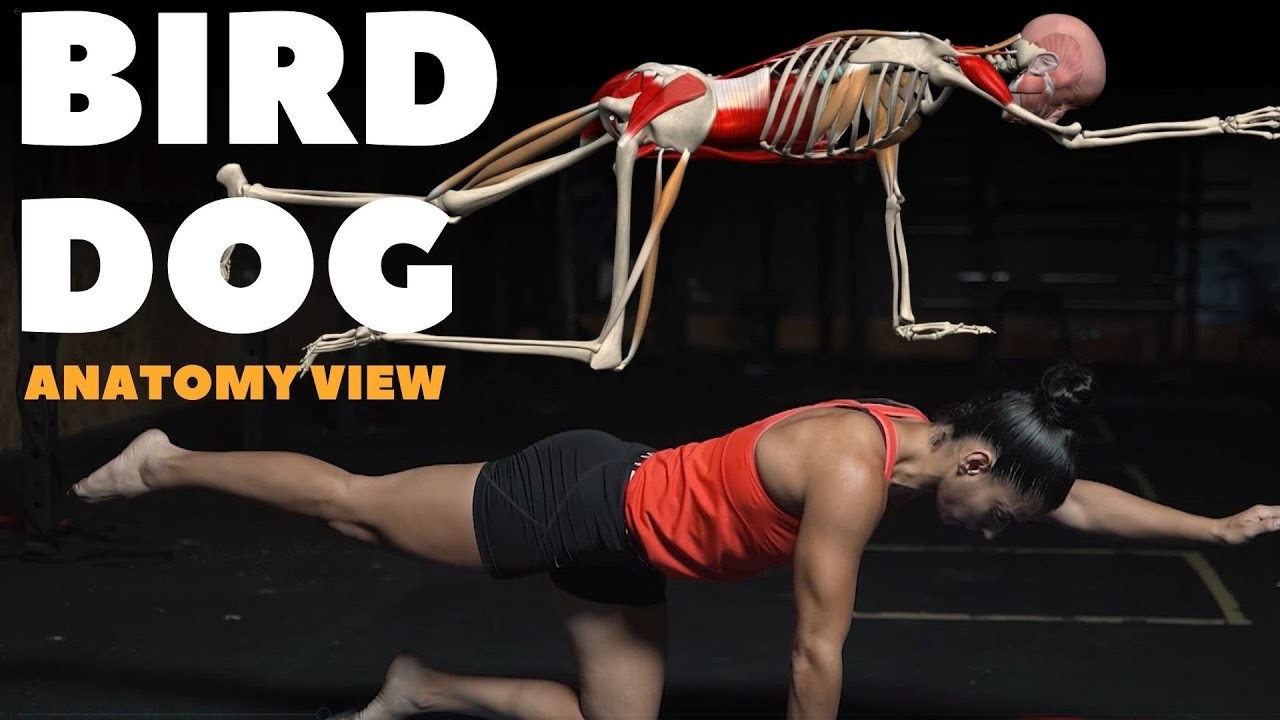
- 1Start on hands and knees (tabletop position)
- 2Hands under shoulders, knees under hips
- 3Keep spine neutral, core engaged
- 4Simultaneously extend right arm forward and left leg back
- 5Arm and leg should be parallel to floor
- 6Keep hips level - don't let them rotate
- 7Hold for 2-3 seconds
- 8Return to start with control
- 9Repeat on opposite side
Back Pain After 40
This move is one piece of a bigger picture. See how it fits into the free 5-minute routine — plus the other no-equipment exercises chosen specifically for the muscles that fail after 40.
Explore the Back Pain After 40 guideHow Many Calories Does the Bird Dog Burn?
The bird dog is a low-intensity stability exercise — calorie burn is modest but increases when performed slowly with holds. The real value is in the core strength and back health it builds. Use our free calculator to estimate your specific burn.
Calculate Your Calories Burned →Common Mistakes to Avoid
Make It Easier
- Lift only arm
- Lift only leg
- Reduced hold time
Make It Harder
- Hold 5-10 seconds
- Add small circles with limbs
- Bird dog crunch (bring elbow to knee)
Why the Bird Dog Is a Non-Negotiable Core Exercise
The bird dog is one of the few exercises that simultaneously trains core stability, balance, coordination, and posterior chain strength — all while placing minimal stress on the spine. Renowned spine researcher Dr. Stuart McGill includes the bird dog in his "Big Three" core exercises specifically because it trains the core's primary function: resisting unwanted movement. Unlike crunches and sit-ups which flex the spine under load, the bird dog teaches your core to stabilize while your limbs move — which is exactly what your core does in real life when you walk, carry groceries, pick up children, or reach for something overhead. The anti-rotation demand (keeping your hips level while opposite limbs extend) activates the deep stabilizers that most ab exercises miss entirely. For anyone with a history of lower back pain, the bird dog is often the first exercise physical therapists prescribe because it strengthens the muscles that protect the spine without compressing it.
Bird Dog After 40 — Protecting Your Back for the Long Run
Lower back pain affects the majority of adults at some point, and the incidence increases significantly after 40 as spinal discs lose hydration, core muscles weaken from sedentary work, and years of poor posture compound. The bird dog directly addresses the muscular weaknesses that contribute to this pattern. It strengthens the erector spinae (the muscles running alongside your spine), the multifidus (deep spinal stabilizers), and the glutes — all of which work together to support your lumbar spine. The exercise also improves proprioception (body awareness) and balance, both of which decline with age and contribute to fall risk. For adults over 40, performing bird dogs 3-5 times per week as part of a morning routine or warm-up is one of the highest-return investments you can make in long-term back health. The exercise takes less than two minutes and requires zero equipment.
Frequently Asked Questions
What muscles does the Bird Dog exercise work?
Bird Dog primarily targets your core stabilizers (transverse abdominis, erector spinae) while also working your glutes, shoulders, and hip flexors. It's one of the best exercises for building core stability and lower back strength without compression.
How many Bird Dogs should I do per day?
Start with 2-3 sets of 8-10 reps per side. For core stability, slow controlled reps matter more than volume. As you improve, progress to 3 sets of 12-15 reps or add a 2-3 second pause at the top of each rep.
Is Bird Dog good for lower back pain?
Yes, Bird Dog is one of the most recommended exercises by physical therapists for lower back pain. It strengthens the muscles that support your spine without putting pressure on your discs. Start slowly and stop if you feel any sharp pain.
What is the proper form for Bird Dog?
Start on hands and knees with wrists under shoulders and knees under hips. Keep your back flat like a tabletop. Slowly extend opposite arm and leg while keeping hips level—don't rotate or arch your back. Hold briefly, then return with control.
Can beginners do Bird Dog exercise?
Absolutely—Bird Dog is beginner-friendly. If the full movement is too challenging, start with just lifting one arm or one leg at a time. Focus on keeping your core engaged and back flat. Progress to the full arm+leg combination as you build stability.
Quick Stats
Perfect For
Helpful Fitness Tools
Plan your training and nutrition for better results:
55+ Free Exercises — No Equipment
Browse the full exercise library with step-by-step guides for every muscle group. All bodyweight, all free, all designed for home workouts.
Get The Weekly Formula — Free
Want more moves like this every week? Get one exercise, one insight, and one quick win — built for adults over 40. Free forever.
Send Me The Formula →